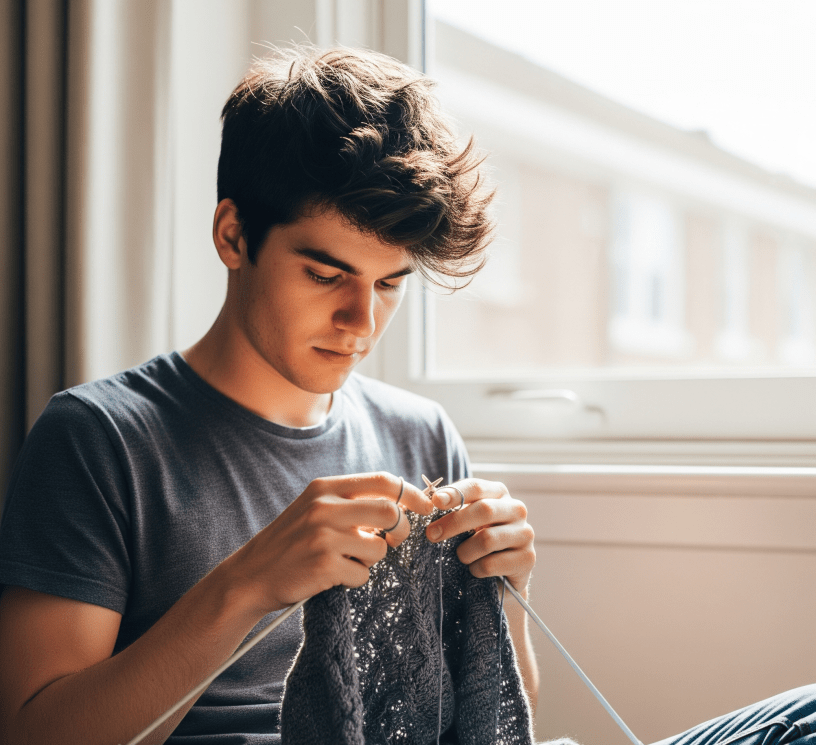
In a world increasingly addicted to digital distractions, hyper-connectivity, and the relentless churn of the always-on economy, we’re all looking for an edge, a hack, a way to reclaim a sliver of our sanity. We chase mindfulness apps, fleeting wellness trends, and expensive therapies. But what if the answer wasn’t some shiny new gadget or guru, but something far older, quieter, and frankly, a bit unsexy? What if it was… needlecraft?
That’s right. Stitching, knitting, crocheting, quilting, embroidery – these aren’t just quaint pastimes for your grandma’s bridge club anymore. According to a recent comprehensive review of research, these seemingly humble activities have an overwhelmingly positive effect on mental health and general well-being. This isn’t just anecdotal fluff, it’s a deep dive into the data, mapping out primary research on how picking up a needle can fundamentally change your mental landscape. And it’s not just for women, either… needlecraft is now considered a gender-neutral activity, offering empowerment to both men and women.
The Brain on Yarn: More Than Just a Hobby
Forget the latest meditation app. Le Lagadec and colleagues (2024) suggest that crocheting can be as effective as meditation itself. Why? Because the very act of engaging with needlecraft forces you to slow down, to focus. It’s a therapeutic outlet that fosters mindfulness, reduces stress levels, and even helps alleviate symptoms of anxiety and depression. Participants in various studies reported knitting as a mentally stimulating stress reliever and found it significantly lowered stress scores, even in high-stress environments like prisons. The repetitive, rhythmic nature of needlework can create a Zen-like state or a flow that soothes the mind.
But it’s not just about relaxation. Needlecraft acts as a powerful diversion and coping mechanism, pulling you away from the constant barrage of information that bombards us daily. It keeps your brain active, providing mental space to problem-solve and organize your thoughts, preventing them from wandering and dwelling on worries. For healthcare workers battling burnout and compassion fatigue, knitting has been cited as a therapy that offers a temporary escape from demanding professions. It’s a mental resource, a purposeful break from the relentless grind, allowing you to deal with past, present, and future concerns.
Threading the Social Fabric: Community in Every Stitch
We are, at our core, social beings. And loneliness, especially among older people and increasingly among young people, is a silent epidemic. This is where needlecraft truly shines. While the act of creating is often solitary, the activity itself becomes a powerful conduit for social interaction and support. People join needlecraft groups simply to meet like-minded individuals, forming deep friendships and a strong sense of community, whether in person or online.
This isn’t just about small talk. These groups provide external validation, offer technical support and advice, and become a safe space where participants can share deeply personal experiences. For new migrants, social embroidery has helped them forge friendships and feel supported within a new community. Quilting groups have even helped AIDS survivors create a supportive community, allowing them to share experiences and facilitate healing during times of profound loss. The sources underscore that the real value of these groups often extends beyond the craft, into the friendships formed and the crucial support received in navigating life’s challenges. It’s a common language that unites people, fostering a sense of belonging that is vital for mental health.
Beyond the Project: Purpose, Pride, and Your Personal Legacy
In a world that often feels transactional, needlecraft offers something profoundly different: a tangible sense of purpose, achievement, and pride. The satisfaction isn’t just in the doing, but in the completed item itself – a lasting expression of skills and talents. Over 75% of participants in one study cited accomplishment as a key motivator for crocheting. Even new crafters feel proud displaying their work, with affirmation from others making them feel valued.
And then there’s the gifting. Many needlecrafters find immense satisfaction in creating items for others, experiencing joy and pride when recipients use their handmade gifts. These aren’t just objects, they are loaded with emotion, embodying mutual care, friendship, and a connection that endures. Beyond gifting, needlecraft offers endless learning opportunities, challenging participants and bringing a great sense of achievement upon mastering new skills.
Finally, it’s about identity and legacy. Needlecraft allows individuals to express themselves creatively, develop a unique personal style, and even reclaim their identity outside of predefined roles like mother or employee. Each item created can symbolize lived experiences, link to specific life events, and even become a fingerprint reflecting the creator’s values and character. The skills are often passed down through generations, strengthening intergenerational relationships and connecting individuals to their cultural heritage. It’s a way to leave a piece of themselves for the next generation, creating an enduring memory and a legacy.
So What? Why We Should All Pick Up a Needle
The evidence is overwhelming, needlecraft is not just a hobby, it’s a powerful, accessible tool for enhancing mental health and well-being. It calms the mind, sharpens focus, builds communities, fosters purpose, and allows for profound self-expression and connection across generations.
While the existing research largely focuses on mature-aged women who already enjoy needlework, the benefits are universal. With increasing rates of loneliness and disconnection, especially among younger people, the sources suggest that involvement in needlecraft could offer a valuable opportunity for young people to reconnect with their community. This isn’t just about making a pretty scarf, it’s about stitching ourselves back into the fabric of human connection and personal fulfillment.
So, the next time you feel overwhelmed, anxious, or just plain lost in the digital static, consider an ancient, time-tested solution. Put down the phone, pick up a needle, and rediscover the profound, healing power of making something with your own two hands. Your brain, your community, and your sense of self will thank you.
Source(s)
Le Lagadec, D., Kornhaber, R., Johnston-Devin, C., & Cleary, M. (2024). Healing stitches: A scoping review on the impact of needlecraft on mental health and well-being. Issues in Mental Health Nursing, 45(10), 1097-1110.
Discover more from Prefrontal
Subscribe to get the latest posts sent to your email.
 Prefrontal