We live in an age of instant connection, where crossing continents is a matter of hours, not months. We hop on a plane, hurtle across time zones at impossible speeds, and arrive expecting to hit the ground running. Our technology is breathtaking. Our biology? Less impressed. Jet lag is our ancient, analog bodies throwing a wrench into our slick, global operations. It’s the price we pay for trying to cheat the sun.
The Unbreakable Clock Gets Broken
At the heart of this mess is your circadian system, particularly a little cluster of cells in your brain called the suprachiasmatic nucleus (SCN). This is your master clock, and it’s stubbornly wired to the 24-hour light-dark cycle of your original location. It keeps everything from your sleep-wake cycle to your digestion humming along in a predictable rhythm.
But when you rapidly traverse three or more time zones, you yank this finely tuned system out of sync. Suddenly, the light and dark cues your body expects don’t match the local time. Your master clock is confused, and worse, the many other little clocks throughout your body (in your liver, your gut, etc.) are also out of whack with the master clock and each other. This internal desynchronization is the biological basis of the misery we call jet lag.
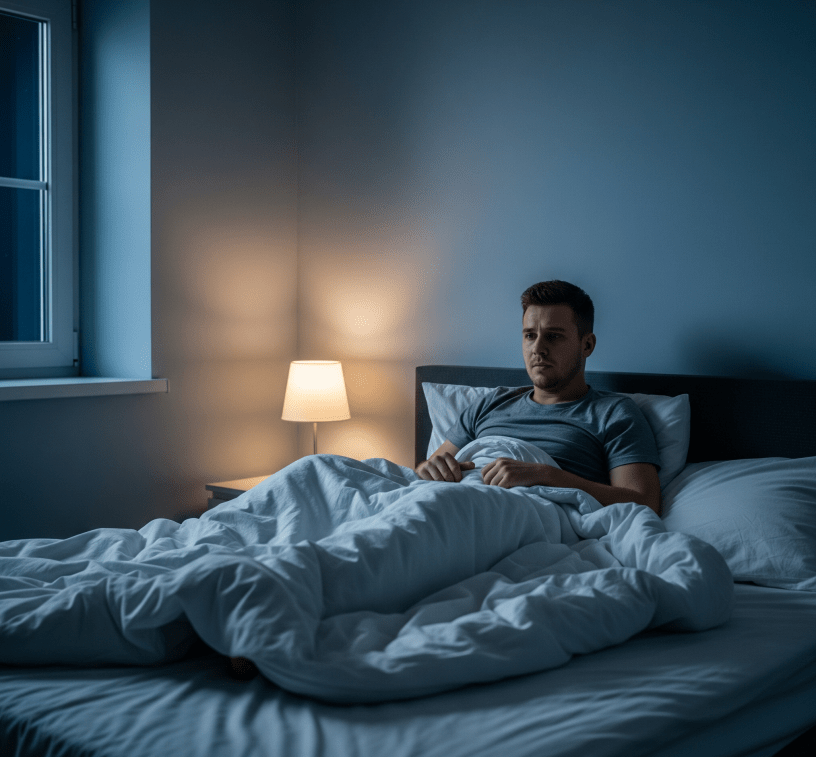
The symptoms aren’t just being a bit tired. They include significant sleep disturbances (difficulty falling or staying asleep), excessive daytime sleepiness, general malaise, impaired performance (mental and physical), and often, delightful gastrointestinal upset. And just to add insult to injury, your body is a bit of a stubborn mule about adapting. Resetting your clock happens slower when traveling eastward (about an hour a day) than westward (about two hours a day). So, that transatlantic flight east? Prepare for a longer period of feeling like a zombie. Flying from Seoul to Seattle… good luck.
The Desperate Measures
So, what do we do about this biological revolt? We try to force our bodies into submission. The primary weapon is light, the most potent external cue for our circadian rhythm. Strategic exposure to light at specific times in the new time zone can help nudge the clock forward or backward. Avoid light when your old clock thinks it’s night, and seek it out during the new daytime. Sounds simple, right? Good luck timing that perfectly after a long flight in a cramped tube.
Then there’s melatonin, often available over-the-counter. This is your body’s own “darkness hormone” and taking it exogenously can help induce sleepiness and potentially shift your circadian rhythm. It’s a primary pharmacological agent used for jet lag, but again, timing is crucial. Get it wrong, and you might make things worse.
Some turn to prescription hypnotics to simply knock themselves out at the appropriate local bedtime. These can help with sleep loss in the short term, but they just mask the symptoms and don’t actually fix the underlying clock misalignment. Similarly, stimulants like caffeine might fight the daytime sleepiness, but can interfere with nighttime sleep and don’t address the root cause.
There’s also talk of adjusting meal timing, exercise, and even using things like “sleep banking” before you travel, where you try to get extra sleep in the days leading up to the trip. While these ideas make sense conceptually, the robust, large-scale evidence supporting many specific interventions, especially for peak performance (looking at you, athletes), is surprisingly limited. The experts are literally saying, “We need more research here”.
More Than Just Being Groovy
Why does this matter beyond a few days of feeling rough? Chronic circadian misalignment, the kind we impose on ourselves with frequent travel or shift work, is linked to serious health issues – metabolic problems, cardiovascular disease, mood disorders, and cognitive decline. For athletes, who are constantly crisscrossing time zones, jet lag isn’t just an inconvenience; it can directly impact performance and increase their risk of illness and injury. They need to maximize adaptation speed through strategies like timed light exposure, melatonin, and preserving sleep.
The Bottom Line
Jet lag is a fundamental conflict between our modern capability for rapid movement and our ancient biological wiring. We can throw light, pills, and planned naps at it, but ultimately, our bodies are going to take the time they need to catch up. It’s a humbling reminder that for all our technological prowess, we’re still just biological organisms tethered to the rhythms of the planet. Fly fast, pay the price.
Sources
Janse van Rensburg, D. C., Jansen van Rensburg, A., Fowler, P. M., Bender, A. M., Stevens, D., Sullivan, K. O., … & Botha, T. (2021). Managing travel fatigue and jet lag in athletes: a review and consensus statement. Sports Medicine, 51(10), 2029-2050.
Vosko, A. M., Colwell, C. S., & Avidan, A. Y. (2010). Jet lag syndrome: circadian organization, pathophysiology, and management strategies. Nature and science of sleep, 187-198.
Discover more from Prefrontal
Subscribe to get the latest posts sent to your email.
 Prefrontal